Story · 12 September 2026 · 5 min read
Winter socks: warmth without the sweat
Why thicker is not warmer, how to size a winter sock to your boot, and the layering order that keeps feet dry from November to March.
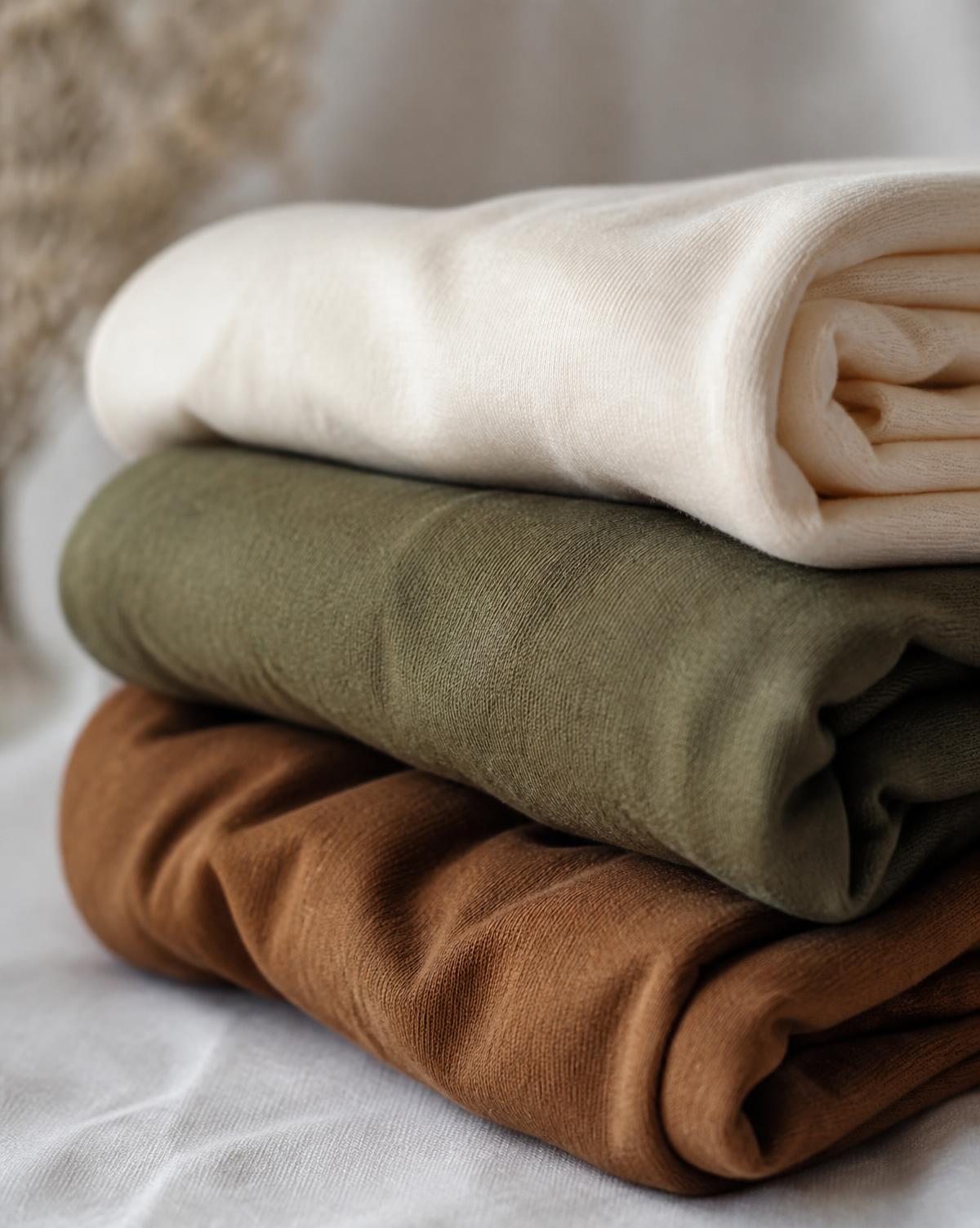
Cold feet in winter are almost never an insulation problem. They are a moisture problem, followed by a circulation problem. Fix those two and a mid-weight sock outperforms the thickest pair in the drawer.
Thicker is not warmer
A thick sock crammed into a winter boot compresses the air that was doing the insulating and squeezes the blood vessels that were doing the heating. If your boot was fitted in summer, size the boot up before you size the sock up.
Dry beats warm
Sweat is what makes a foot cold once you stop moving. A breathable organic cotton knit with a cushioned footbed moves moisture out and dries overnight, which is worth more in February than any extra millimetre of pile.
The winter rotation
Three pairs, worn in rotation, with a dry spare in the bag from November onwards. Fibres recover between wears and you are never more than a change away from dry feet after a wet commute.
Care through the cold months
Winter tempts everyone towards the radiator and the tumble dryer. Both harden the cuff. Wash at 30°C, dry flat away from direct heat, and the same pairs come out of March still fitting the way they did in October.