Sustainability
fewer things,
made properly
We make a small range of everyday essentials from natural fibres, colour them with plants, produce them entirely in Europe, and then help you keep them for years. This page sets out the materials, what we measure, and what we give back.
1% for the Planet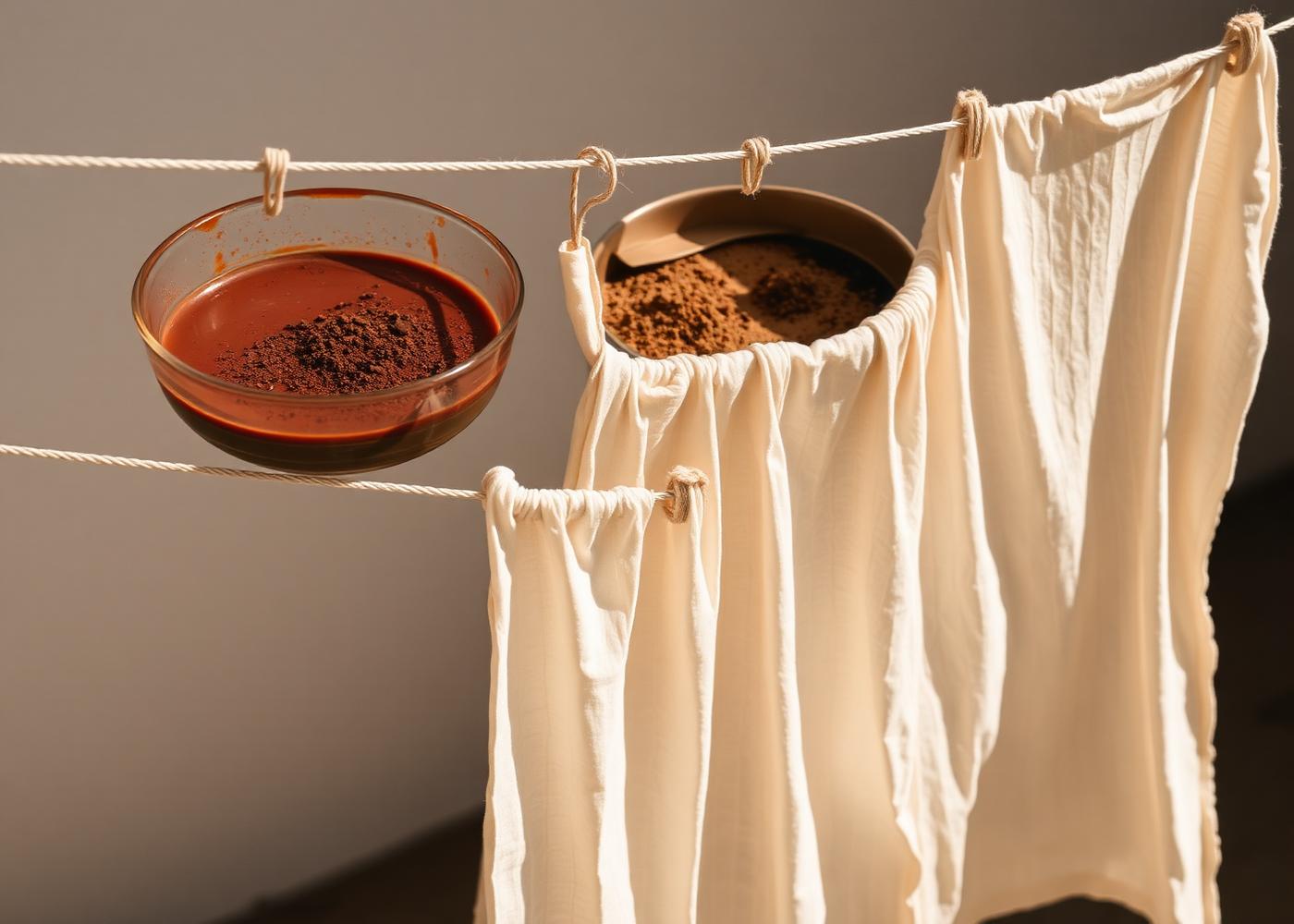
materials
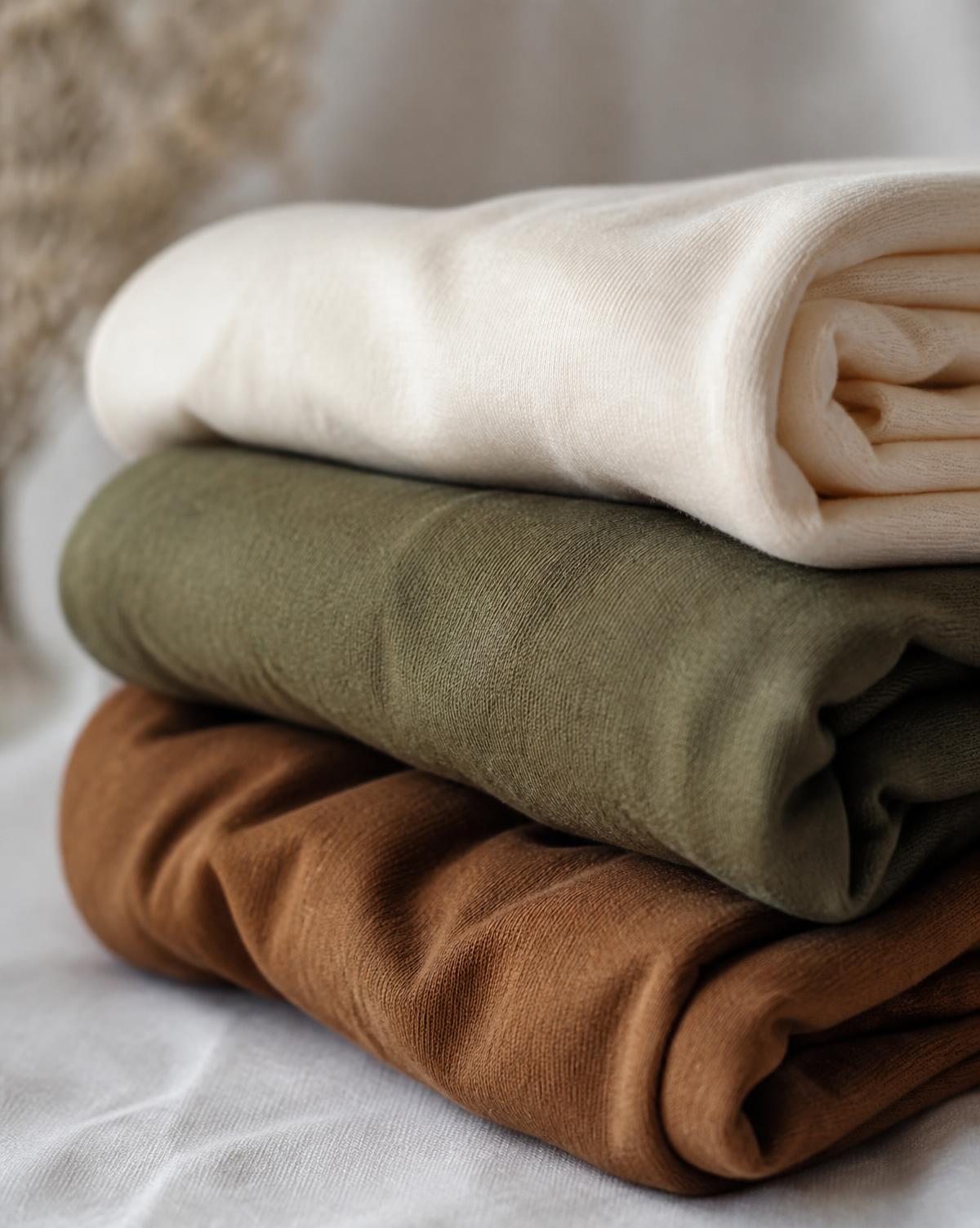
Organic cotton
GOTS-grade cotton grown without synthetic pesticides or defoliants.
Softer on skin, safer for the people who farm it, and it keeps soil life intact.
Care — Wash at 30°C, air dry in the shade.
Honest blends
Recycled polyamide in socks for durability, and a little elastane in socks and briefs for stretch.
Just enough to keep heels from wearing through and waistbands in shape — so pieces last longer.
Care — Wash at 30°C and line dry to protect the stretch.
Natural dyes
Madder root, indigo, oak and earth pigments in closed-loop dye baths.
No azo dyes, no heavy metals, and up to 70% less fresh water than reactive dyeing.
Care — Wash with like colours; expect a gentle softening over time.
Plastic-free packaging
Recycled paper, paper tape and soy-based ink.
Nothing in the parcel has to be thrown away — it all goes into paper recycling.
Care — Flatten and recycle, or reuse for a return.
Carbon footprint
what we measure, and what we can't claim yet
We are measuring the footprint of each garment across the six stages below, with an external assessment. Until that assessment is complete we publish no numbers — a figure we cannot show the workings for is not worth printing.
- Fibre
- Cultivation and spinning of European organic cotton and recycled polyamide.
- Figure in progress
- Dyeing
- Energy and water used in our closed-loop natural dye baths.
- Figure in progress
- Making
- Knitting, cutting and sewing in European mills and workshops.
- Figure in progress
- Transport
- European production and delivery only — no intercontinental freight.
- Figure in progress
- Packaging
- Recycled paper, paper tape, soy-based ink.
- Figure in progress
- Lifetime
- Washing, drying, repairs and end-of-life fibre recycling.
- Figure in progress
What we can say today: production is entirely European, so no garment crosses an ocean; natural dyeing in closed-loop baths uses up to 70% less fresh water than conventional reactive dyeing; and offcuts go back into fibre recycling.
Commitments
The most sustainable garment is the one you keep wearing.
Repair kit in every order
Thread, needle and patch so a small hole never ends a garment.
Free repairs for two years
Send it back and we mend it, at no cost to you.
Take-back for recycling
Worn-out pieces go into fibre recycling rather than landfill.
1% of revenue pledged
A member of 1% for the Planet, giving 1% of sales to environmental non-profits.
1% for the Planet
one percent of every sale goes to environmental non-profits
As a member of 1% for the Planet we give 1% of revenue — not profit — to certified environmental organisations, verified annually.